Reliable Quality & Better Services
+86 17858656355
wang.fenglan@haolangmed.com
Reliable Quality & Better Services
November 2026
Providing vascular access for premature and low-birth-weight infants requires careful consideration. Their small blood vessels and specialized clinical needs can make intravenous therapy particularly challenging.
When prolonged intravenous treatment is required, repeated peripheral IV cannulation may cause discomfort and compromise peripheral vein integrity.
So, how can an appropriately selected PICC support neonatal vascular access?
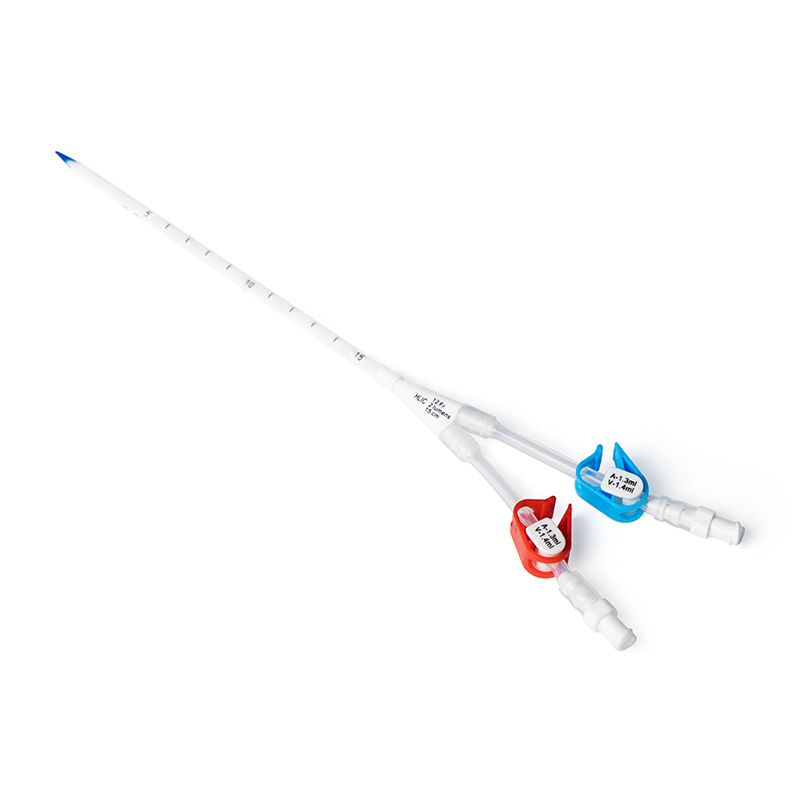
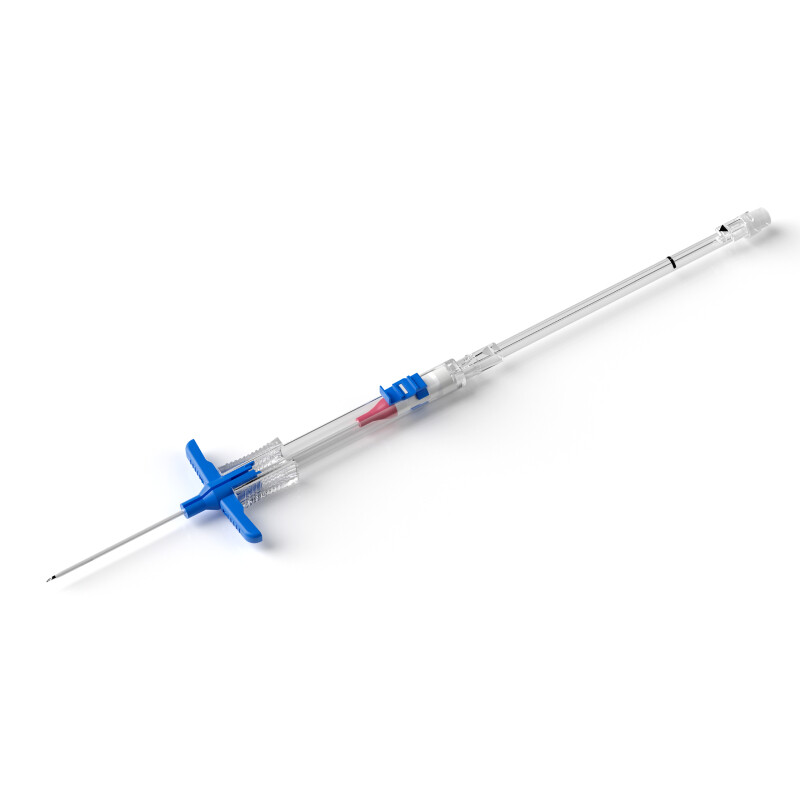
A 1Fr PICC (Peripherally Inserted Central Catheter) offers a small-diameter catheter option for neonatal vascular access. When clinically indicated and appropriately selected, it can support the administration of prescribed therapies while helping reduce the need for repeated peripheral venous cannulation.
Premature infants may require prolonged intravenous therapy, including parenteral nutrition and medication administration.
A 1Fr PICC provides a small-diameter option for vascular access in selected neonatal patients. Its suitability depends on the infant's condition, vascular anatomy, prescribed therapy, and clinical assessment.
Repeated peripheral IV cannulation can place additional demands on an infant's limited venous access.
When a PICC is clinically appropriate, it can provide vascular access for ongoing prescribed therapy, potentially reducing the need for repeated peripheral IV insertions.
Preserving available peripheral veins is an important consideration in neonatal vascular access planning.
Neonatal patients may require parenteral nutrition, medications, and other intravenous solutions.
PICC selection should take into account the catheter's specifications, intended use, compatibility with the prescribed infusates, and the requirements of the clinical setting.
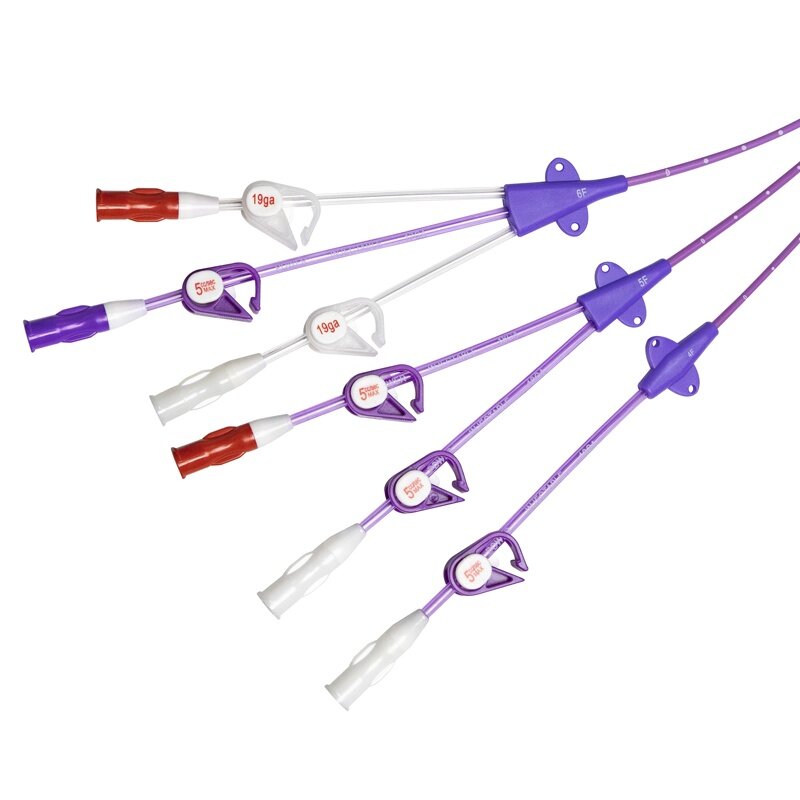
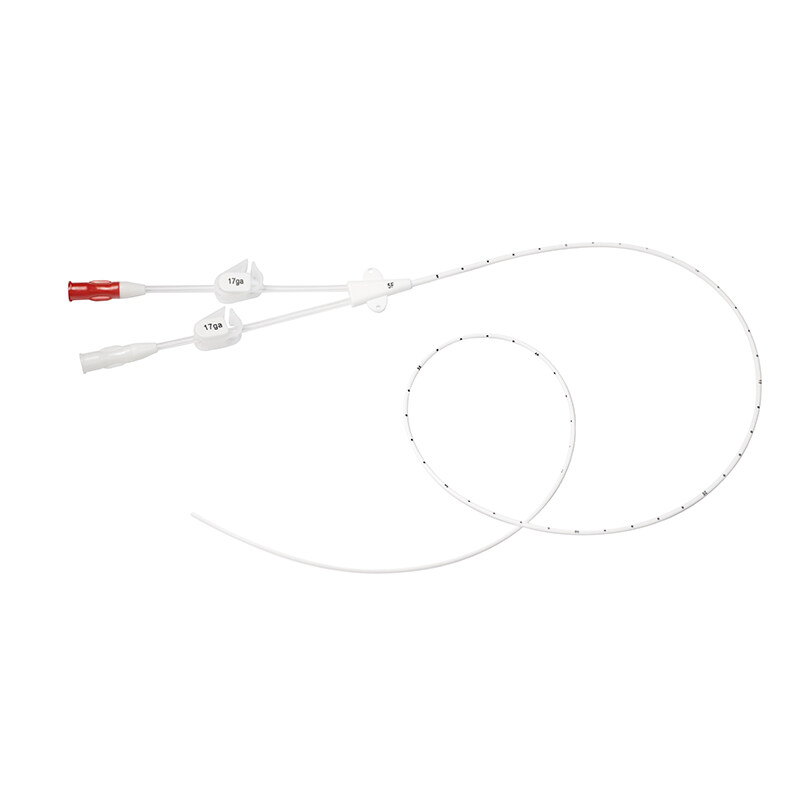
Haolang Medical's neonatal PICC range includes small-diameter catheter options designed for neonatal vascular access needs.
Catheter material and design are important considerations when selecting vascular access devices for neonates.
Haolang Medical's PICC features a radiopaque polyurethane catheter. Radiopacity supports visualization under appropriate imaging conditions, while the catheter's material and design are intended for vascular access applications.
The catheter's suitability and performance should always be assessed according to its specifications and Instructions for Use (IFU).
A well-organized insertion kit can help healthcare professionals prepare the necessary components for catheter placement.
Depending on the model, Haolang Medical's PICC kit may include:
Radiopaque polyurethane catheter
Peelable introducer
Measuring tape
Cutter
Syringe
The 1Fr and 1.9Fr configurations also include a twisted-wire stylet, according to the supplied product specifications.
Exact kit contents may vary by model. Please refer to the applicable product documentation for details.
Different patients have different vascular access requirements. Catheter selection should be based on clinical assessment rather than size alone.
Haolang Medical offers PICC options for different patient groups:
1Fr PICC
A small-diameter option for selected neonatal vascular access applications, including premature infants.
1.9Fr PICC
An additional small-diameter option for neonatal vascular access, subject to patient assessment and the device's intended use.
2Fr PICC
An option for selected infant vascular access applications, depending on the patient's clinical needs and the catheter's specifications.
The appropriate catheter size should be determined by qualified healthcare professionals in accordance with clinical protocols and the manufacturer's IFU.
Neonatal vascular access requires careful device selection, appropriate insertion techniques, and consistent catheter maintenance.
At Haolang Medical, we provide PICC solutions in different sizes to support the vascular access needs of neonatal and infant patients.
Our product range includes 1Fr, 1.9Fr, and 2Fr PICC options, with model-specific configurations to meet different clinical requirements.
For healthcare providers, distributors, and medical device partners, selecting the right product starts with understanding its design, specifications, and intended application.
Looking for a reliable vascular access supplier? Let's connect.
Explore Haolang Medical's PICC solutions and contact our team to learn more about product specifications, available configurations, and cooperation opportunities.
Disclaimer: This article is intended for general informational purposes and does not replace professional medical advice, clinical guidelines, or the product's Instructions for Use. Catheter selection, insertion, and maintenance should be performed by qualified healthcare professionals in accordance with applicable clinical protocols.
National Association of Neonatal Nurses (NANN). Peripherally Inserted Central Catheters: Guideline for Practice. 4th ed. 2022.
Centers for Disease Control and Prevention (CDC). Recommendations for Prevention and Control of Infections in NICU Patients: CLABSI. Available at: https://www.cdc.gov/infection-control/hcp/nicu-clabsi/recommendations.html
Centers for Disease Control and Prevention (CDC). Background Information: Strategies for Prevention of Catheter-Related Infections in Adult and Pediatric Patients. Available at: https://www.cdc.gov/infection-control/hcp/intravascular-catheter-related-infection/prevention-strategies.html
Yang L, Fan Q, Fan L, Qiu J. The applications, complications, and management of neonatal peripherally inserted central catheters (n-PICCs): a narrative review. Frontiers in Pediatrics. 2026;14:1902619. doi:10.3389/fped.2026.1902619.
International Organization for Standardization (ISO). ISO 10555-7: Intravascular catheters — Sterile and single-use catheters — Part 7: Peripherally inserted central catheters. Refer to the applicable edition and amendments.
Haolang Medical. Product Specifications, Instructions for Use (IFU), and Applicable Performance Test Reports for Neonatal PICC. Refer to the documentation for the specific product model.